Best Coffee Pairings for Artisan Pastries
Pairing coffee with artisan pastries changes the way flavors unfold on the palate, sometimes drawing out notes that might otherwise be hidden. The right balance can make a nutty Ethiopian blend highlight the almonds in a twice baked croissant, while a poor match can overwhelm delicate pastries with bitterness. Most artisan pastries sit in the 40 to 80 gram range, and a standard coffee serving is about 150 milliliters, with sweetness and acidity levels varying widely between cafes and regions.
Why some pastries need specific coffees
A raspberry tart can overwhelm a bright, acidic coffee, while a dense almond croissant often highlights a rich, chocolate-toned espresso. Flavors and textures collide or combine in ways that determine whether a pairing feels seamless or forced. The right match elevates both the pastry and the coffee, making the difference between a balanced treat and a muddled experience.
How sweetness affects coffee choice
Sweetness in pastries directly shapes which coffee roast offers the best balance. A pastry with high sugar content can flatten the subtler notes of a mild brew.
A chocolate éclair loaded with glaze easily overwhelms a lightly roasted coffee. Only a dark roast or a blend with pronounced bitterness stands up to that level of sweetness.
Fruit tarts with a moderate sugar base allow for more flexibility. Medium roasted coffees, especially those with a hint of acidity, complement their natural fruitiness without losing complexity.
Pairing a strong, robust coffee with a very sweet pastry prevents the drink from fading into the background. A lighter coffee only works when the pastry's sweetness stays restrained.
The impact of pastry texture
A crisp croissant sheds fine shards with every bite, while a dense almond tart holds its structure and lingers on the palate. These differences in texture mean each pastry interacts with coffee in a distinct way, affecting both the flavor release and the tactile sensation in the mouth:
- A layered pastry like puff pastry highlights the silky notes of a light roast when the coffee's clean finish cuts through residual butter.
- A chewy cinnamon bun softens the perception of coffee bitterness, especially when the bun's density slows down the melding of flavors.
- A creamy lemon tart coats the mouth, so a high-acid coffee helps reset the palate between bites.
- A shortbread cookie's dry crumb draws out the coffee's aromatic oils, making each sip seem richer.
Pastries with a brittle or crumbly structure often benefit from a coffee that cleanses rather than coats. Even a simple swap between filter and espresso can shift the whole balance of texture and taste.
Choosing the wrong coffee can flatten pastry flavors or create awkward bitterness. Understanding how texture and acidity interact prevents these missteps and leads to satisfying pairings.
How to match coffee with sweet pastries

Light roasted coffees with floral or citrus notes heighten the flavors in fruit tarts and glazed danishes. A darker roast, rich with chocolate or nut undertones, balances the sweetness of almond croissants or brioche. The right pairing can reveal hidden layers in both the pastry and the drink.
Pairing with fruit-filled pastries
A fruit pastry with tart cherry or raspberry filling clashes with a dark roast that buries its natural brightness. Lighter roasts, such as those using washed Ethiopian or Kenyan beans, often carry citrus or floral notes that reinforce the fruit without competing for attention.
A medium roast with a gentle acidity draws out jammy flavors in apricot danishes or berry turnovers, while a heavy, smoky cup can leave the fruit tasting muddled or strangely flat.
This approach shows its value in a bakery case where several fruit options sit beside each other. Pairing a washed Ethiopian pour over beside a plum galette brings out both the pastry's subtle tang and the coffee's clean finish.
Choosing coffee for chocolate pastries
Bitterness in both coffee and chocolate intensifies when paired without balance. A coffee that matches the intensity of the chocolate creates harmony, while the wrong origin can turn the pastry flat or harsh. Common matches and mistakes appear below:
- Brazilian medium roast – smooth body that echoes rich ganache
- Sumatran dark roast – earthy tones heighten cocoa depth in flourless cake
- Colombian light-medium – caramel and mild acidity avoid overwhelming milk chocolate
- Guatemalan washed – nutty profile softens bitterness in dark chocolate tarts
- Espresso blends with robusta – excess roast emphasizes acrid notes, clashing with sweet pastry
Pairings work best when roast level stays within one step of the chocolate's intensity. For dark chocolate, avoid coffees with pronounced herbal or green flavors, which can add an unwanted sharp edge.
Pairing by contrast or complement brings out the most nuanced flavors in both coffee and pastry. Consider the roast profile and flavor notes to create new taste experiences.
What works for savory artisan pastries

Bitter or highly acidic coffees tend to overpower the subtle salt and umami notes in savory pastries. A balanced medium roast brings out the flavors in cheese buns or herb focaccia without clashing or masking the pastry.
| Coffee Type | Roast Level | Flavor Profile | Pairing Result |
|---|---|---|---|
| Single origin Brazil | Medium roast | Nutty, low acidity | Enhances cheese flavor, keeps pastry savory |
| Ethiopian blend | Light roast | Fruity, high acidity | Clashes with herbs, sharp aftertaste |
| Colombian washed | Medium roast | Chocolate notes, mild acidity | Smooth contrast, supports pastry texture |
| Robusta-heavy blend | Dark roast | Strong, smoky | Overwhelms subtle savory notes |
| Sumatra Mandheling | Medium dark roast | Earthy, low brightness | Brings out herbal qualities, balanced finish |
Pairing with highly acidic coffee often leaves savory breads tasting sour or metallic. Medium roasts with nutty or chocolate notes consistently highlight the best elements in cheese or herb pastries.
When to avoid pairing coffee and pastries
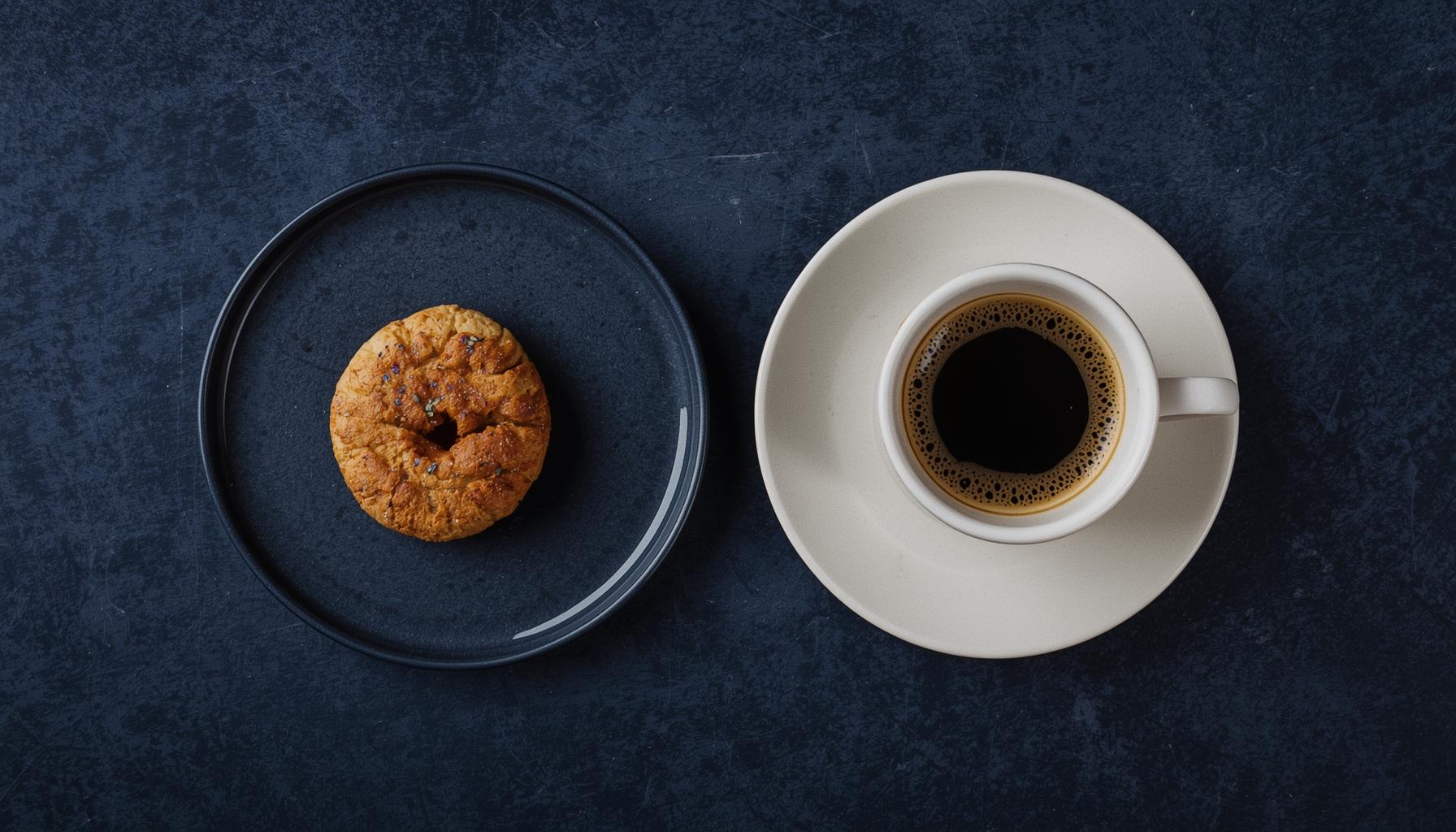
Pairing strong coffee with pastries that carry intense flavors often leads to clashes rather than harmony. Nutmeg-heavy stollen, for example, can overpower a medium roast, while extra delicate mousse desserts lose their subtlety when matched with espresso.
- encourages focus on single dessert flavors
- highlights unique characteristics of rare pastries
- prevents palate fatigue in multi-course settings
- spices like clove or cardamom can mask coffee's aromatics
- delicate textures such as mille-feuille collapse under bitter notes
- syrupy glazes and dark roasts amplify unwanted bitterness
Many pastry chefs prefer pairing herbal teas with fragile or highly spiced creations for balance. Selecting a beverage that echoes the dessert's tone often preserves both the coffee and the pastry’s best qualities.